


When deciding between Reply.io and Outreach.io for your outreach or sales engagement stack, you are essentially choosing between two different philosophies.
Reply.io is a flexible platform built around multichannel outreach, automation, and outreach velocity. On the other hand, Outreach.io brings more structure, pipeline integration, deeper CRM-centric workflows, and analytics built for complex sales teams.
Today, we compare these sales engagement tools so you can learn which one better fits your needs and budget, and completes your tech stack.
Reply.io vs Outreach.io: key differences at a glance
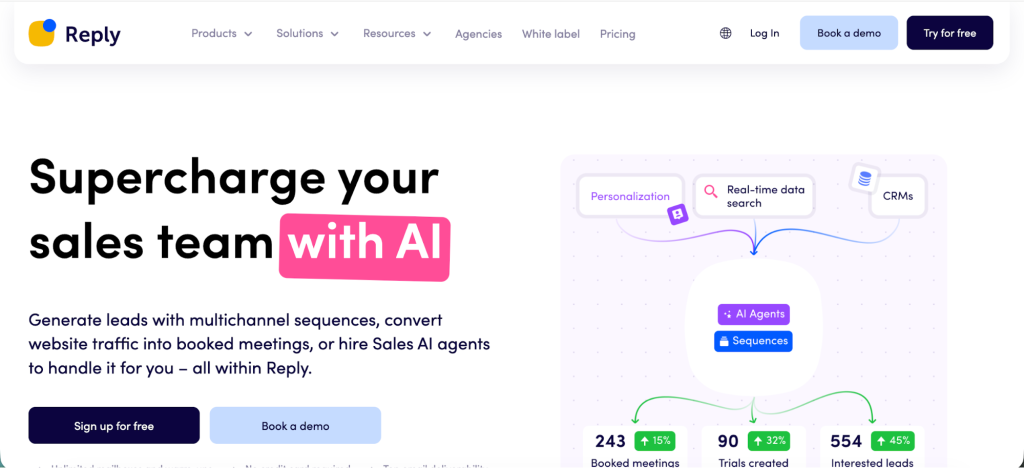
Reply.io is primarily a sales engagement and cold-outreach platform with multichannel support (email, social, calls, SMS/WhatsApp). It also comes with built-in prospecting data and automation-oriented workflows.
It works especially well for teams or users who want to blend outreach across multiple communication channels. It allows sales teams to iterate quickly, manage contact lists, inboxes, and campaign logic from a unified interface.
For more complex sales workflows, you might want to consider Reply.io alternatives.
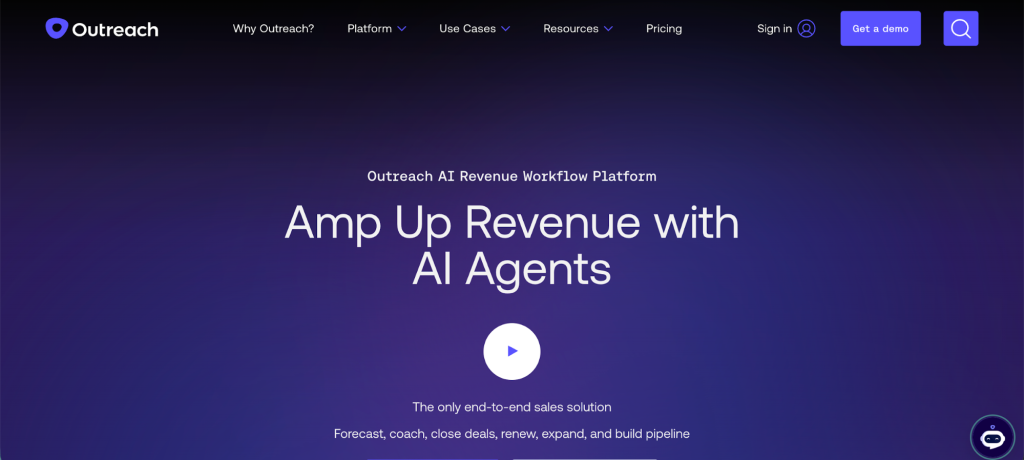
Outreach.io offers a deeper, CRM-linked engagement system. It focuses on structured sequences, pipeline and task management, advanced analytics, team coordination, and integrating outreach into the broader sales process (leads → deals → follow-ups).
All of this makes Outreach more appropriate for teams with multiple roles, long sales cycles, and a need for visibility and control over sales ops. The team collaboration features make it valuable for larger teams where visibility is critical.
Smaller teams tend to look at Outreach alternatives instead.
Reply.io vs Outreach: key features
The main difference between the two tools is that Reply is a multi-channel powerhouse, while Outreach is a comprehensive sales engagement platform.
Reply.io
- Multichannel outreach & automation: Reply supports more than email. You can build sequences combining email, social (LinkedIn), phone calls, SMS, and even WhatsApp. That lets you reach prospects where they are.
- Built-in prospect & contact data: The platform offers a B2B contact database, with tools to find and verify email and phone contact info before outreach. This means less money spent on third-party lead data.
- Unified inbox and activity log: All communication from various channels blends into a single view, with tasks, calls, messages, and social touches tracked per contact. That makes managing outreach easier, especially when juggling many leads or channels.
- Automation & workflow flexibility: Reply supports sequences with conditional logic, automated follow-ups, scheduling, call/SMS tasks, and team workflows. That gives flexibility to design outreach flows based on your customers’ specific behavior or individual channel response.
- Deliverability and warm-up support for multiple mailboxes: The platform includes email warm-up and configuration for unlimited mailboxes, depending on the plan. That helps when sending large volumes from different senders and can help maintain deliverability.
Outreach.io
- Full sales-engagement workflows: Outreach.io supports multi-step cadences, tasks, reminders, call scheduling, follow-ups and sequence branching. This platform helps you connect outreach to pipeline and sales operations rather than isolated campaigns.

- Deep CRM integration and data sync: Outreach integrates with CRM systems to link outreach activities with leads, deals, opportunity tracking, and overall sales pipeline. This makes sure that outreach is aligned with deal progression and team-wide sales data.
- Advanced analytics and reporting: Users get detailed reporting on cadence performance, team activity, template effectiveness, and conversion metrics. All of this is enabling sales teams to optimize outreach strategy and forecast future outcomes.
- Team collaboration and multi-user management: Outreach is built for multi-person sales teams. It supports shared cadences, role-based workflows, task assignments and coordination across users. If multiple team members contribute to outreach, follow-ups, and deal management, this gives you clear visibility of team performance in a user-friendly interface.
- Scalability and process consistency: When your sales operations require standardization, Outreach delivers it. Features include cadences, handoffs, reporting, CRM sync and much more. It supports long-term process management, and not just one-off campaigns.
Integrations, tech stack and workflow compatibility
One of the key differences between these platforms is how they integrate with CRMs and other sales and marketing tools. Reply has a broader range of overall integrations, while Outreach connects tightly with various CRM systems.
Reply.io: flexible multichannel stack integration
Reply.io has native integrations or built-in capabilities that let you:
- Use its B2B contact database for sourcing prospects without exporting/importing from external data providers.
- Automate outreach across email, LinkedIn, SMS, calls or WhatsApp, letting you combine channels in single sequences in a smooth user interface.
- Validate emails and phone numbers before sending to reduce bounce risk or wasted outreach attempts.
- Store unlimited mailboxes (depending on plan) under one workspace, which helps teams or agencies that manage multiple accounts without needing separate tools.
- Provide a unified activity log across channels and mailboxes, which that simplifies tracking responses, follow-ups and tasks even when outreach volume is high.
Because of this flexibility, Reply.io can fit into many existing setups. This is especially the case where outreach needs to remain lightweight, fast, and cross-channel, but without adding unnecessary tools.
Outreach.io: deep integrations with CRM systems
If you already have a solid sales infrastructure in place, Outreach is made to complement the rest of your sales tools and fit into a larger sales ecosystem. In practice, that means:
- CRM systems integrate closely with Outreach, so outreach activities feed directly into lead and deal records. This helps ensure no manual data entry; outreach, follow-up, task assignment, and deal progression stay synchronized.
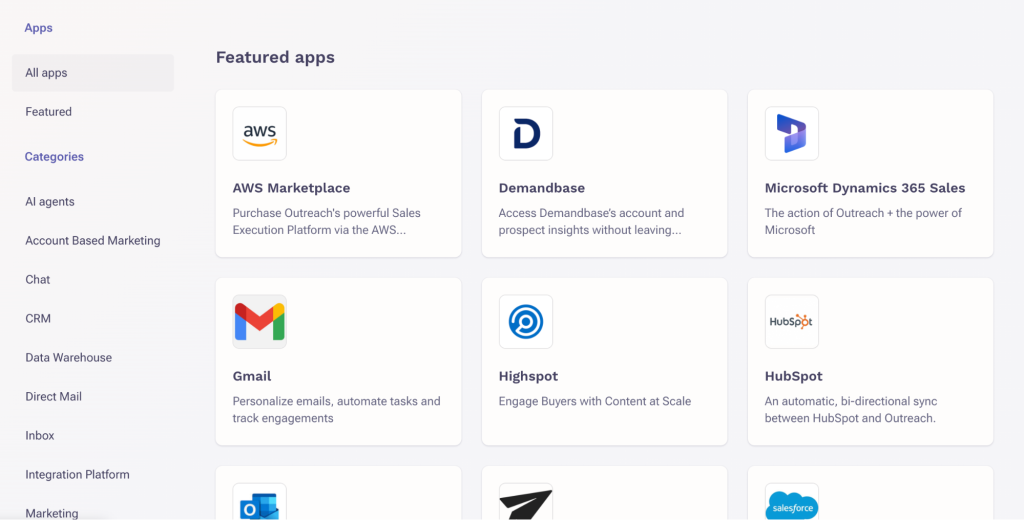
- Team workflows, collaboration, and role-based access allow different team members to handle different parts of the sales cycle; outreach is just one step in a larger process from prospecting to closing.
- Analytics and reporting modules aggregate data across campaigns, user activity, sequences, and pipeline performance. That helps leadership monitor team output, optimize cadences, forecast deals and understand which tactics perform best.
- Consistency, process control and standardization across a sales operation rather than individual outreach experiments. Outreach ensures every lead goes through defined cadences, follow-ups, tasks and documentation.
For teams that already use or want to build a structured sales stack with CRM, sales ops, and consistent workflows, Outreach.io reduces friction and helps avoid siloed outreach efforts.
Pricing and cost value
The major difference between the two platforms is that Reply.io has clear pricing plans, while Outreach hides its pricing structure.
Reply.io offers flexible and relatively affordable pricing plans based on what you want to use the tool for.
For many users, the Email Volume plan starts at $49 per month, which provides warm-up support, unlimited mailboxes and contact storage at certain volume thresholds. $49/month gets you up to 1,000 active contacts, which makes this tool ideal for smaller-scale selling.
If you need multichannel outreach, you just get the next available plan, called Multichannel at $89 per user per month, when paid annually. This unlocks LinkedIn automation, 10 email inboxes, calls and SMS, WhatsApp, and much more.
Finally, you can also get something called Jason AI SDR, a chatbot that works across channels to help you close more sales.
Because Reply.io allows multiple mailboxes and users under one workspace (depending on plan), cost per inbox or team member can remain reasonable, which can make it cost-effective for small teams or agencies handling multiple clients.
Outreach.io historically comes with a higher price tag, but we can’t tell you what it is. Outreach pricing is hidden and you have to get in touch with the sales team to get a personalized quote.
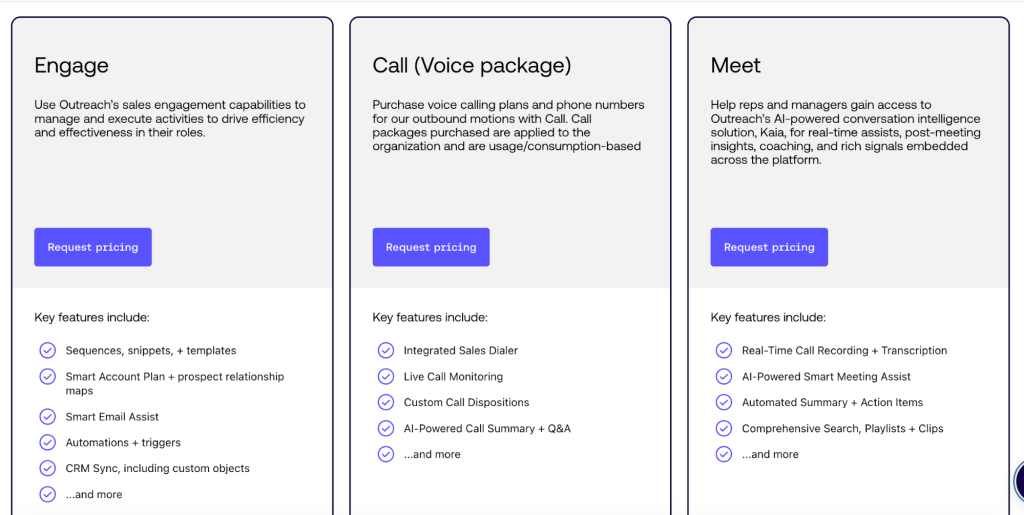
Because of its full-fledged sales-engagement capabilities, CRM integration, analytics, team collaboration, and sales ops features, many plans require commitment and scale pricing depending on user count and feature set.
That investment may make sense for mid-size or larger sales teams. In companies where outreach is part of a broader sales machine and where saving on tools elsewhere (CRM, analytics, pipeline management), Outreach can offset the cost. For smaller teams or simpler outreach needs, the price tag may be harder to justify.
Which one should you get for cold outreach efforts?
Choose Reply.io if you want:
- A tool that supports multichannel outreach (email, social, SMS, calls) under a single platform and unified inbox
- A flexible outreach setup where you can quickly launch campaigns, manage multiple mailboxes and pivot strategies without heavy overhead
- Built-in prospect data, contact verification and warm-up support without needing many external tools
- Lower cost entry with ability to scale to multiple mailboxes or users without per-mailbox licensing penalties
- Fast onboarding, minimal setup friction, and a system that works well for small teams, agencies or lean outreach operations
On the other hand, choose Outreach.io if you want:
- Sales outreach tightly integrated with CRM systems, pipeline and deal workflows so outreach becomes part of a larger sales engine
- Tools to manage team cadences, assign tasks, track deals, follow-ups, and coordinate multiple roles across the sales process
- Advanced analytics and reporting capabilities to monitor cadences, performance per user, sequence effectiveness and pipeline conversion data
- Structured, repeatable, standardized outreach and sales process for medium to large teams with consistent needs
- A full sales-engagement platform that reduces the need for separate tools (CRM, task management, analytics, sales ops) and keeps data unified across outreach and sales activities
Considerations and trade-offs
No tool is perfect. At this point, you were hopefully able to gain valuable insights on both, but there are also a handful of things we should reiterate.
First, Reply.io’s flexibility and multichannel support come at the cost of less structure. If you grow beyond solo or small-team use, maintaining consistent pipelines and workflows can become messy, especially without CRM discipline. It has an intuitive interface, but it can become too much if you’re not careful.
Adding more channels or mailboxes within Reply.io increases complexity. At this point, you may require manual oversight of sequences, deliverability, and data hygiene.
On the other hand, Outreach.io’s feature set and integration come with a steeper learning curve and higher cost. For some teams, especially smaller ones, that overhead may not pay off. Building advanced automation capabilities and handling advanced reporting may take months to master.
Because Outreach.io often requires onboarding and configuration, ramp-up time can be longer compared with Reply.io’s easier setup. If you have no previous experience with email or LinkedIn outreach tools, you may need some hands-on training to master this platform and various outreach and email automation features.
If your sales cycles are short and you favor speed and adaptability over structured pipeline management, Outreach might feel too heavy. By the time you master the advanced features and understand all the sales intelligence, Reply might have already come in and helped close the deal.
Conclusion
The two platforms are clearly built for two different audiences and types of budgets. If you want to reach people seamlessly across different channels and you don’t have a large team, Reply.io is going to be right up your alley.
If you have an established sales team with clear workflows and roles, you need strong integration capabilities and the money to pay for a more enterprise-grade platform. In this case, Outreach is the better option.
But what if you just want to do email really well, automate repetitive tasks, and get more deals sooner rather than later?
Woodpecker is the ideal middle ground.
We’re primarily focused on email outreach, with add-ons for LinkedIn and lead databases. The pricing model is based on affordability. Woodpecker is easy to use, and you won’t need an entire support team to explain how to get out of the spam folders. We have advanced deliverability tools to maximize your outreach performance and make sure you hit the primary inbox every time.
Try Woodpecker for free today and see why we’re better than Reply and Outreach.