Learn how to send effective cold emails
with Woodpecker Academy
Free access to advice on deliverability, cold emailing and more.
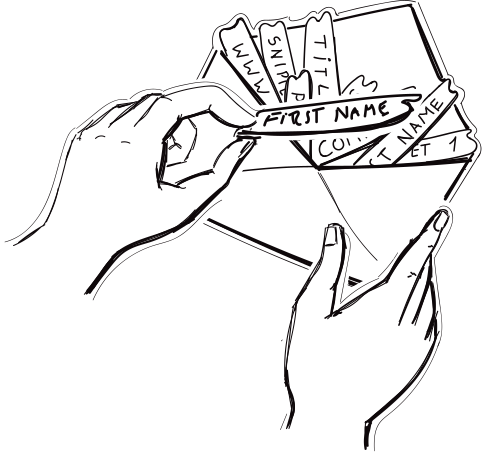
with Woodpecker Academy

Most B2B email lists fail for the same reason: they're optimized for size, not quality. A list of 10,000 contacts that bounces at 15% is worse than a list of 1,000 contacts that bounces at 2% – not just because the first list performs worse, but because it actively damages the sender reputation needed for any future outreach.

How to set up a cold email campaign that actually lands in inboxes in 2026. Technical foundations, list building, sequence structure, and launch checklist.
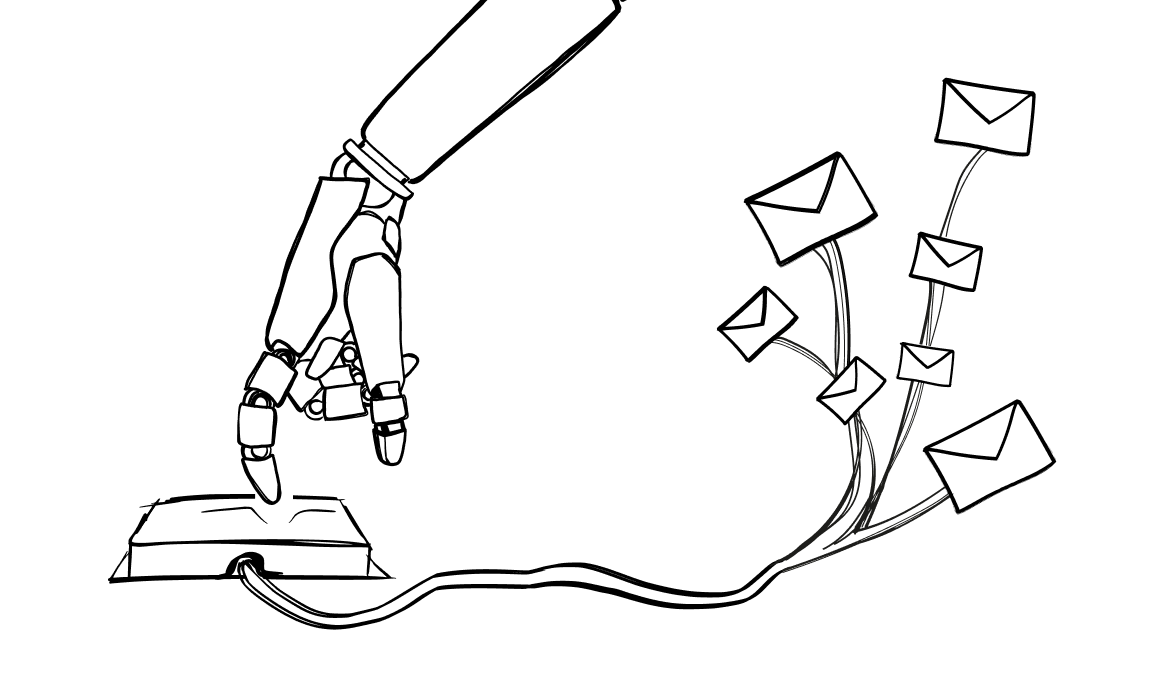
Spintax for cold email explained with syntax examples, deliverability tips, common mistakes, and ways to use variations without hurting replies.

Ending a professional email is three decisions, not one. Closing line + sign-off + signature. What each one signals, how they work together, and how to get each right.
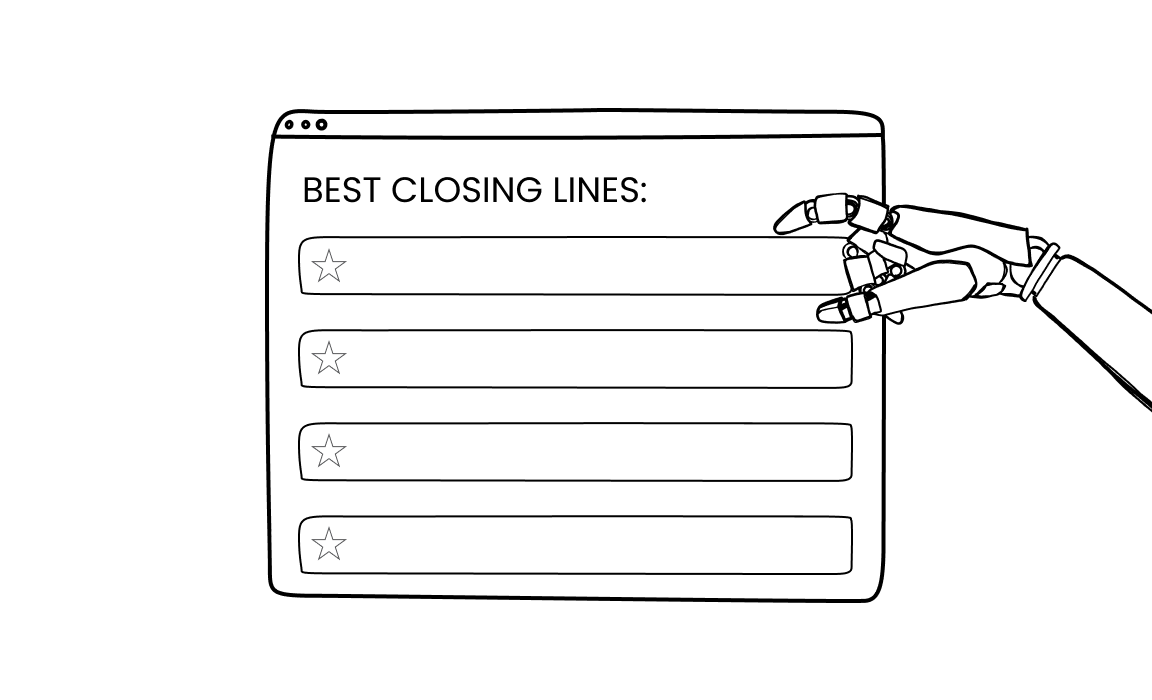
There's a moment at the end of writing any email – after you've said the thing you needed to say – where you have one last decision. What sentence do you leave the reader with?

The email you send to your college roommate looks nothing like the email you send to a hiring manager at a Fortune 500 company. Both might be asking for the same thing – a favor, a meeting, a yes. The register is completely different, and so is what makes each one work.

Sales is a word with a hundred definitions. Personal selling is one of the oldest and most precise ones. It means exactly what it sounds like: a real person, making a case, directly to a prospect. No ad, no landing page, no automated drip sequence doing the work. A human being who understands what the buyer needs and is present enough to respond to it in real time.

The first line of your email sets the tone for everything that follows. Get it wrong and the reader is already half-checked-out before you make your point. Get it right and you've already done a third of the persuasion work – before saying a single word about why you're writing.