Learn how to send effective cold emails
with Woodpecker Academy
Free access to advice on deliverability, cold emailing and more.
with Woodpecker Academy

Let me take a guess: you’re looking for a lead generation service, but so far you’ve been overwhelmed with the options and don’t quite know who to choose to fulfill your lead generation needs.

You decided to take your sales to the next level. You're on the lookout for a cold email tool that will fit into your needs perfectly and speed up your sales cycle.
Have you ever struggled with choosing the right tool for cold emailing? There are so many options and limited time to test all the solutions, compare them and choose the perfect one for your company.
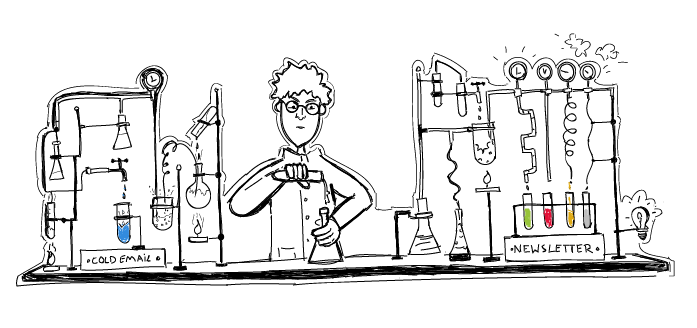
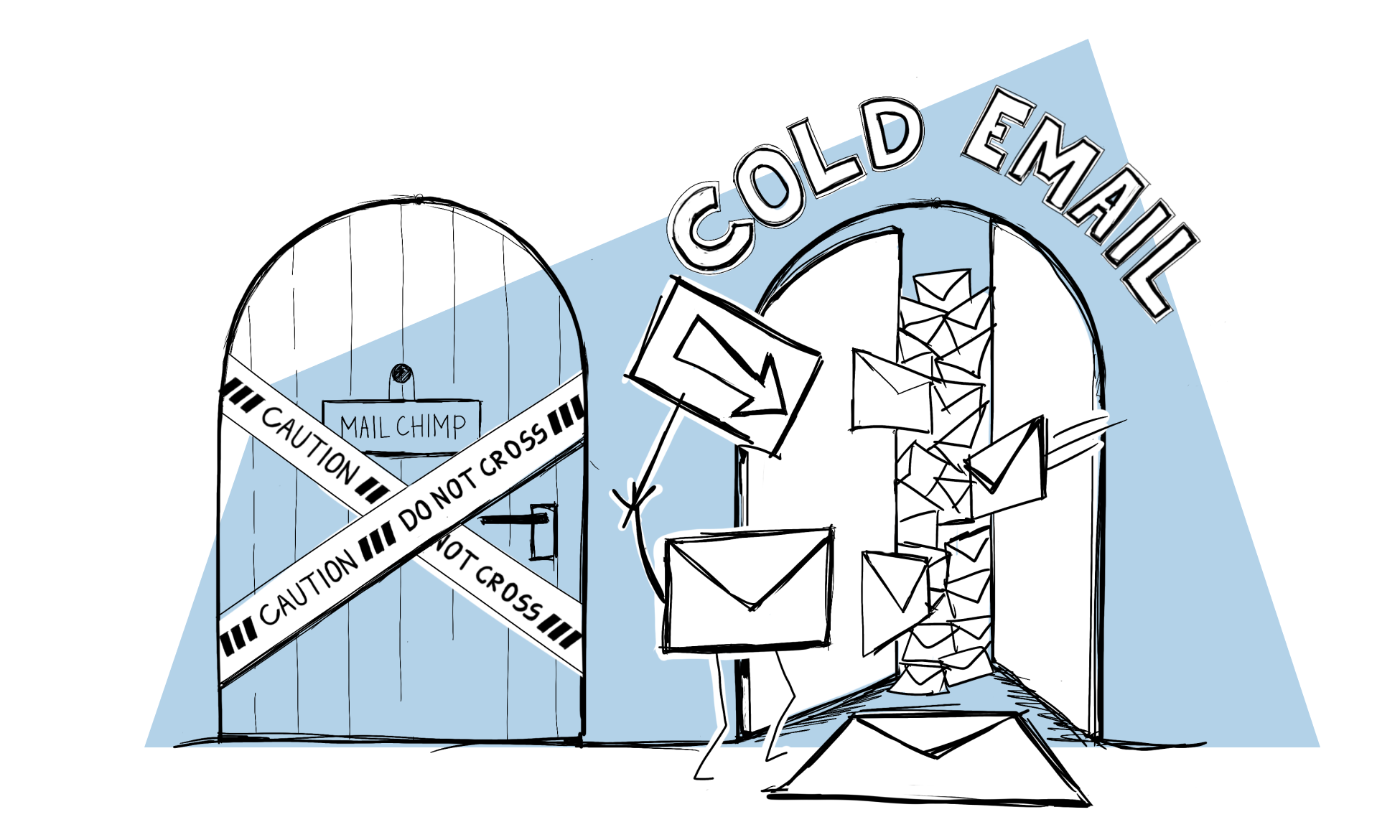
At Woodpecker, we often hear people using the two terms "cold emailing" and "email marketing" interchangeably. In fact, cold emails and marketing emails differ, and they differ a lot. Sending cold emails that look like marketing emails won't bring you many responses. That's why I decided to analyze the two forms and explain the differences between cold emails and marketing emails. Read on to make sure you're not wasting your time sending marketing emails to your cold prospects.

We are pleased to announce that Woodpecker Academy is now live! We've released our first online course. After 6 years of creating content focused on cold emailing, we’ve decided to merge all the knowledge we've shared so far into a step-by-step workflow that will help you launch successful cold email campaigns.

Quality cold emailing is a skill to be learned. It cannot be learned overnight. It takes months and years to learn how to write and send cold emails that work. And the learning never stops, really. It's a process of constant improvement. And during the process, you constantly look for guidance, inspiration, and advice based on experience. Below, I'm sharing with you my list of 9 cold emailing resources including books, ebooks, blogs, and a YouTube channel that are helping me in my learning process.

Have you ever felt frustrated when prospects haven’t replied to your emails? You’ve put so much effort and time into writing a good email, you’ve picked an email automation tool that sends like a human to help you out with sending the messages, but some prospects are still unresponsive.

Writing a good cold email is harder than it seems. In this blog post we’re showing you real-life examples of good and bad emails. Use them for inspiration when you’re going to create your own.